Category: Food

Abundance Fantasies: Cornucopia

June 6, 2013 By arne hendriks 1

In Abundance Fantasies we explore the origin and contemporary meaning of symbols, stories and tropes of abundance.  If we’re smaller we’ll have more of everything. In this post we explore the cornucopia. The cornucopia, otherwise known as the Horn of Plenty, and literally meaning Horn…

Force-Feeding Milk

June 2, 2013 By arne hendriks 1

On the occasion of the FAO’s World Milk Day the Thai Ministry of Health’s director-general Jedsada Chokdamrongsuk revealed an ill conceived plan to boost Thai’s youth milk consumption from 14 to 60 litres per year. The reason for this? To  increase the average Thai male height…

PARs in the Womb

May 28, 2013 By arne hendriks 0

The Incredible Shrinking Man is interested to know what consequences can be expected for human height if nutrition availability after birth doesn’t match predictions by the fetus on the basis of its prenatal environment. During pre-birth development fetuses prepare for the world outside by using the…

Abundance Fantasies: Cockaigne

May 23, 2013 By arne hendriks 1

“And still I’ve more to tell of it; The geese when roasted on the spit Fly to the abbey (believe it or not) And cry out ‘Geese, all hot, all hot!’ With garlic in great quantity, The best-dressed geese a man could see. The larks are…

Micro-Livestock: Guinea Pig

May 21, 2013 By arne hendriks 1

The 1991 OFA report ‘Microlivestock: Little-known Small Animals with a Promising Economic Future’ introduces several alternative small animals for domestication and meat and dairy production. Small animals are easier to breed and keep, and are a quick way of supplementing a diet, especially in less…

The Raw Tom Outrage

January 20, 2013 By arne hendriks 1

Tom Watkins is a 15 year old kid from Amsterdam who’s raised on a Raw food vegan diet. Raw foodies eat uncooked, unprocessed organic foods as a large percentage of the diet. The idea is that raw food is healthier than cooked food because it doesn’t…

One Bean Coffee

December 30, 2012 By arne hendriks 0

According to the Water Footprint Network the fresh water involved in the production of a single cup of coffee (125ml) is 140 liters. One part of coffee consumes 1100 water parts. To make an average cup of coffee requires around 40 coffeebeans. To produce one…

Deflating the Food Bubble

October 15, 2012 By arne hendriks 1

The era of world food security is coming to an end simply because we can’t sustain the way food is produced. Lester Brown, president of the Earth Policy Research Centre in Washington, says the demands for food are growing so fast that unless we deflate the…

Abundance Fantasies: Corn Cult

July 27, 2012 By arne hendriks 1
Mexican protesters against the high tortilla prices in 2007 rallied around an oversized corn. Their public display of the desire for an abundant food supply ressembles cargo cults in which the visualisation of desired abundance, or the context in which the abundance is believed to exist, is…

Global Human Biomass

June 22, 2012 By arne hendriks 0

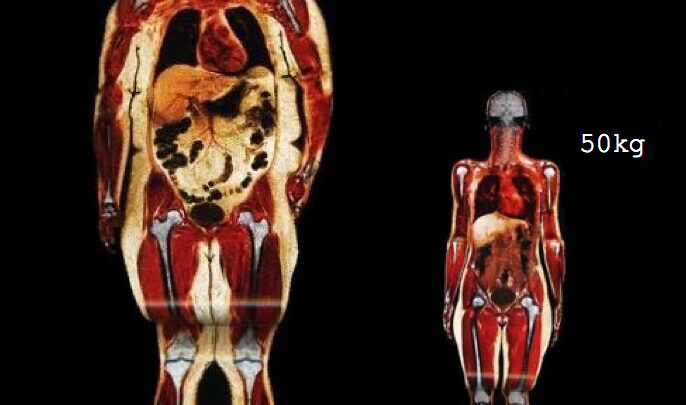
A new REPORT published on BioMed Central rightfully warns us of the need to consider the ecological effects of increasing human weight. Obese and overweight people globally consume an extra amount of food that could feed 300 million people. From data collected in 2005 researchers calculated the…

TEDx Lecture on Shrinking

June 10, 2012 By arne hendriks 0
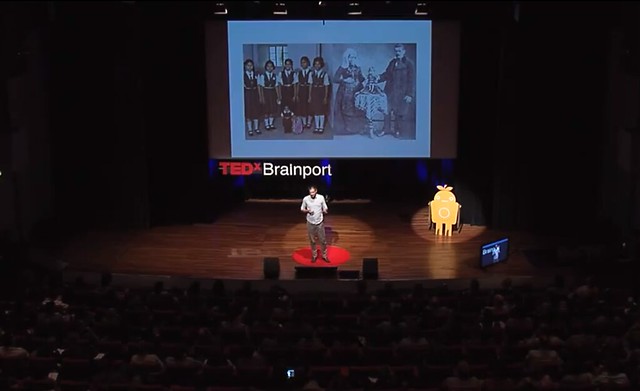
During TEDx Brainport we gave a short talk on some of the reasons the human species should shrink, some of its possible consequences, and how it could be done. See it HERE.

D.I.Y. Shrink List.

April 7, 2012 By arne hendriks 0

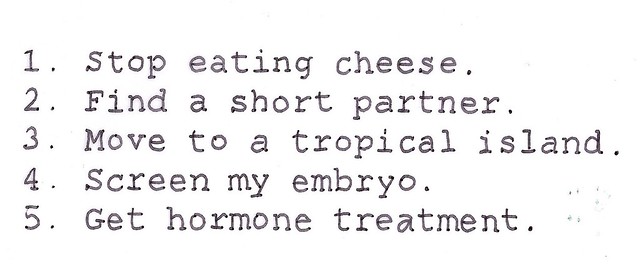
If we are to believe this last report published by MIT Press, economic collapse is just around the corner. If that’s true it won’t hurt to prepare our children both mentally and physically for a world in which there will be a lot less of…

Raspberry Explosion

April 1, 2012 By arne hendriks 1

One of the most important reasons to shrink the human species is that we’ll shrink towards a world of abundance. At 50 cm we’ll only need about 2% to 10% of the resources we need now. A simple grape will have the size of a…

Benito’s Rodents

February 20, 2012 By arne hendriks Off

During the Second World War Mussolini’s government urged Italians to keep guinea pigs to supplement their meager meat rations. Rodents are the world’s most widespread, adaptable, and prolific group of mammals. They reproduce well, grow fast, and can adapt to a wide variety of local…

Poultry/House

February 11, 2012 By arne hendriks 0

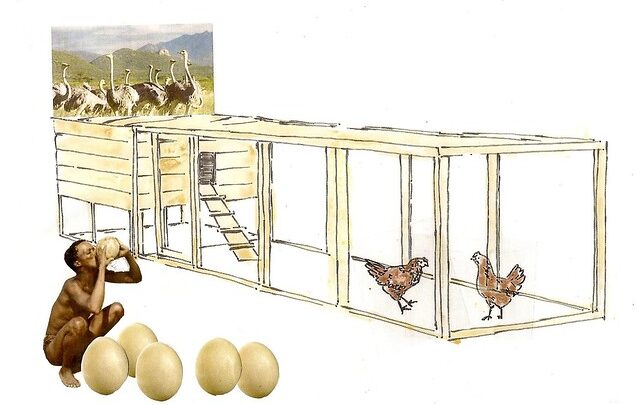
If we decide to shrink the human species our livestock may need to shrink with us. We’ll only consume about 2 to 10% of the food we consume today. The meat of one chicken could easily feed 100 people and one egg alone would be enough to…

High on Cheese

January 29, 2012 By arne hendriks 1

In the mid 19th century the Dutch were among the shortest people in Europe. 150 years later they are the tallest in the world. Perhaps not coincidentally this is precisely the period in which the Dutch consumption of cheese started its significant growth. Cheese contains…

Krill Adaptations

January 28, 2012 By arne hendriks 0

Because environments vary with both predictable patterns and with unpredictable but recurring events, ecologists have long been interested in the ecological adaptations that organisms use to survive periods in which the environment may be exceptionally harsh. One of the most interesting adaptations observed in the…
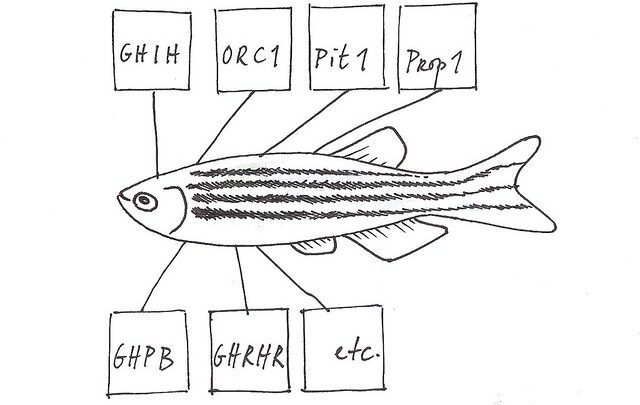
Somatostatin Zebrafish Farm

January 18, 2012 By arne hendriks 2
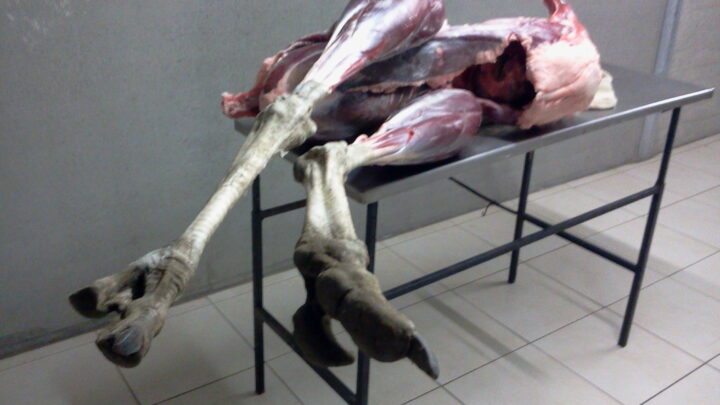
One of the most promising consequences of downsizing the human species is the change in space and time it’ll take to grow food. In several research installations at Food Forward (a look into the future of food) The Incredible Shrinking Man investigates new possibilities. Like the…

Ostrich BBQ

December 10, 2011 By arne hendriks 4

One of the most promising advantages of shrinking the human species would be the abundance of food. A single chicken could feed up to 100 people. But perhaps it’s not just a matter of abundance. We might encounter some unsuspected differences in the way we…

Milk

October 17, 2011 By arne hendriks 1

Body height is a classic polygenic trait. About 80% to 90% of your height is inherited and 10% to 20% owed to environmental factors, of which nutrition is the most important. Of those nutrients perhaps milk is the one associated most with increased human height.…